

close
Choose Your Site
Global
Social Media


Views: 0 Author: Site Editor Publish Time: 2026-10-18 Origin: Site


Are paper jams causing costly machine downtime? Traditional rubber rollers wear out fast. They lose their grip and ruin print quality. In this comprehensive guide, you will learn how upgrading to advanced elastomers solves these feeding issues effectively. Ultimately, this transforms your production line's reliability and output consistency.
PU rollers offer superior abrasion resistance and a significantly longer operational lifespan compared to traditional rubber alternatives.
Upgrading a feeding mechanism to polyurethane minimizes paper skewing, jamming, and multi-sheet feeding errors.
Components like the polyurethane sun wheel provide the optimal balance of friction and flexibility for high-speed corrugated board processing.
A high-quality printing roller ensures precise ink transfer while withstanding harsh, volatile printing solvents.
Proper maintenance and selecting the correct durometer can extend roller life, drastically lowering the Total Cost of Ownership.
The printing and packaging industry has long relied on rubber components. However, increasing production speeds and harsher chemical environments expose the severe limitations of traditional materials. Today, polyurethane, commonly referred to as PU, is widely recognized as the baseline standard for high-performance machinery.
Looking at recent shifts in the global printing machinery sector, there is a clear trajectory toward automation and high-speed throughput. Market analysts note that as commercial printers push speeds exceeding 15,000 sheets per hour, legacy rubber components simply fail to keep pace. Furthermore, the rising demand for sustainable, high-efficiency packaging has accelerated the transition toward durable elastomers. Facilities are upgrading to minimize unplanned downtime and meet stringent Environmental, Social, and Governance goals by reducing consumable waste.
The technical specifications of polyurethane make it ideal for these rigorous industrial applications. It possesses exceptional abrasion resistance, often outperforming conventional rubber by a massive margin. Additionally, PU exhibits high tear strength and superior load-bearing capacity. In active printing environments, rollers are constantly exposed to oils, UV inks, and aggressive cleaning solvents. Polyurethane demonstrates robust chemical resistance. It does not swell, crack, or glaze over quickly when subjected to these harsh substances. This stability ensures the components maintain their original dimensions over extended production runs.
Polyurethane is an advanced elastomer that effectively bridges the gap between flexible rubber and rigid plastic. From a chemical perspective, it consists of organic units joined by urethane links. This unique molecular structure allows the material to bear heavy mechanical loads while retaining incredible elasticity. Unlike standard natural or synthetic rubbers, which become brittle or degrade under continuous mechanical stress, polyurethane maintains its structural integrity. It absorbs impacts and resists deformation, making it highly suitable for the demanding, high-friction environments of modern print production.
Before examining the specific advantages of polyurethane, we must understand the fundamental mechanics of the feeding process. The feeding mechanism is the starting point of any print job. Consequently, any inconsistency here multiplies exponentially throughout the production line.
A reliable paper feeding roller is engineered to grip and pull individual sheets of paper or thick corrugated boards from a stack, feeding them seamlessly into the press. This process requires precise timing and consistent friction. The roller must apply just enough pressure to move the top sheet forward without grabbing the sheet beneath it. In high-speed operations, this mechanical action occurs thousands of times per hour. It demands absolute precision from the component's surface.
Operators frequently encounter a cascade of pain points associated with degraded feeding mechanisms. You might even hear a distinct slapping sound when a worn roller misfeeds a sheet. Slipping occurs when the surface loses its tackiness, causing delayed feeds and registration errors. Double-feeding happens when excessive or uneven pressure pulls multiple sheets simultaneously. This leads to severe machine jams that can permanently damage delicate press blankets.
Imagine a high-speed offset press running at peak capacity. A mere fraction of a millimeter in roller wear translates to catastrophic registration errors by the time the sheet reaches the delivery tray. Delicate corrugated materials are especially prone to edge-crushing if the feeding mechanism is too hard or applies localized pressure unevenly. When a traditional rubber roller degrades, it creates micro-misalignments that result in ruined graphics and unacceptable material waste.
Replacing standard rubber components directly addresses the mechanical failures commonly seen in the feeding section of printing presses. The transition to advanced elastomers yields immediate, measurable improvements.
The most critical factor in paper feeding is the coefficient of friction. Traditional rubber tends to glaze over time. The surface oxidizes, hardens, and loses its ability to grip paper effectively. Polyurethane, conversely, maintains a consistent coefficient of friction throughout its entire lifespan. Its surface remains tacky and pliable. This ensures it grips the substrate firmly without requiring excessive downward pressure. This consistent friction control allows for smooth, continuous feeding even at maximum machine speeds.
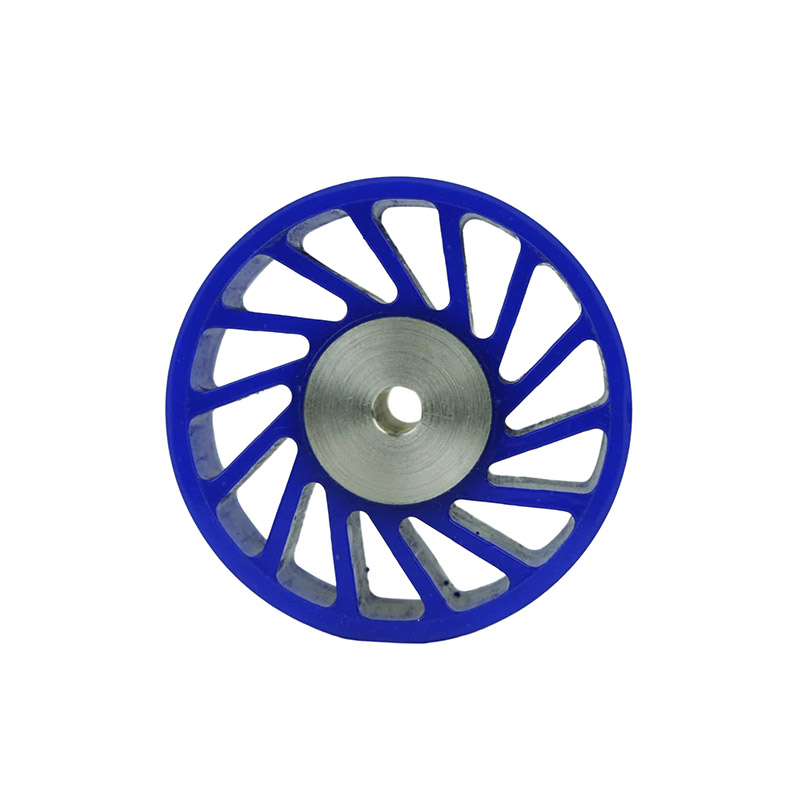
In the lead edge feeders of corrugated machinery, specialized components are required to handle thick, fluted boards. Featuring a segmented, wheel-like design, this component distributes pressure evenly across the surface of the board. By upgrading to a corrosion-resistant polyurethane sun wheel, facilities ensure heavy materials are gripped firmly without crushing the internal flutes. The inherent elasticity of the PU material allows it to compress slightly upon contact. This safeguards the structural integrity of the corrugated box while maintaining the high-speed traction necessary for efficient, jam-free production.
Dimensional stability is another area where this material excels. Rubber rollers often wear unevenly, developing low spots that cause paper to feed crookedly. Polyurethane's high abrasion resistance ensures the component wears down uniformly, if at all. By maintaining a perfectly cylindrical shape, PU applies equal pulling force across the entire width of the sheet. This virtually eliminates the skewing and jamming issues caused by uneven degradation.
Beyond the feeding stage, the actual application of ink requires components that deliver absolute precision. Polyurethane proves equally valuable in the intricate printing stations.
Achieving high-definition print quality requires an even film of ink. A well-manufactured corrugated printing roller maintains a perfectly smooth and uniform surface, which is absolutely critical for consistent ink metering. Because polyurethane does not suffer from the rapid surface pitting or swelling common in rubber, it transfers ink to the printing plates or substrates with microscopic precision. This uniformity prevents common print defects such as color banding, spotting, or uneven ink density. It ensures high-graphics packaging meets strict brand standards.
Machine vibration is a primary culprit behind poor print registration and blurred images, often referred to as dot gain. Polyurethane possesses excellent shock-absorbing properties. When utilized within the press, it dampens the micro-vibrations generated by heavy steel cylinders. This stabilization translates to tighter print registration, allowing for sharper text, clearer barcodes, and much more accurate color alignment on the final product.
The printing process utilizes a cocktail of harsh chemicals, including UV-curable inks, aqueous coatings, and volatile cleaning solvents. Traditional rubber absorbs these chemicals, causing it to swell, soften, or eventually crack. Specifically, polyurethane is chemically formulated to resist these aggressive substances. It maintains its structural integrity and durometer even after prolonged exposure to industrial solvents. This chemical resilience ensures print quality remains consistent batch after batch, drastically reducing the need for frequent recalibration.
When evaluating machinery upgrades, maintenance engineers and procurement teams must weigh operational benefits against capital expenditure. The transition from traditional rubber to polyurethane is a data-driven decision based on performance metrics, durability, and long-term financial impact.
The most distinct operational difference between these two materials lies in their wear rates. Traditional rubber is prone to surface glazing, oxidation, and physical degradation when subjected to high-friction environments. Over time, it hardens and begins to crack. Under identical high-speed commercial printing conditions, polyurethane typically lasts three to four times longer. It resists the microscopic tearing and abrasion that normally degrade feeding mechanisms, ensuring consistent pressure over a significantly extended lifecycle.
Machine downtime is one of the most expensive hidden costs in the packaging industry. Every minute a press is stopped for part replacement directly impacts the facility's throughput and profitability. Because traditional rubber components require frequent changes and adjustments to compensate for uneven wear, they inherently increase maintenance hours. Upgrading to reliable polyurethane solutions reduces the frequency of these mechanical interventions, allowing operators to focus on production rather than troubleshooting.
A common objection during the procurement process is the initial purchase price. Polyurethane components generally carry a slightly higher upfront cost. However, evaluating the Total Cost of Ownership reveals a much more favorable financial picture. The extended lifespan reduces direct replacement part costs. More importantly, the reduction in wasted substrates and the minimization of labor costs associated with downtime yield a rapid Return on Investment.
Feature / Metric | Polyurethane Rollers | Traditional Rubber Rollers |
|---|---|---|
Average Lifespan | 3x to 4x longer | Baseline standard |
Abrasion Resistance | Extremely High | Moderate to Low |
Chemical Resistance | High | Low |
Surface Stability | Maintains grip and dimensions | Glazes and hardens over time |
Total Cost of Ownership | Low | High |
The versatility of polyurethane allows it to be formulated for specific industrial environments. While almost any web-handling or sheet-fed machinery can benefit from this material, certain sectors see transformative improvements in their daily operations.
The corrugated board industry faces a unique mechanical challenge. It must feed thick, multi-layered boards at high speeds without crushing the internal flutes. If the feeding mechanism applies too much pressure, the structural integrity of the box is compromised. If it applies too little, the board slips. Specialized PU components provide the exact balance of elasticity and friction required, gripping the board securely while absorbing compressive forces.
In commercial offset and high-speed digital printing, precision is the primary metric of success. These machines process thousands of sheets per hour, requiring components that isolate and pull a single sheet of paper with micro-millimeter accuracy. Polyurethane’s consistent friction prevents the dreaded double-feed scenario, where two sheets are pulled simultaneously, potentially damaging expensive offset blankets.
Before paper even reaches a printing press, it is manufactured in massive, high-moisture environments. The papermaking process involves pressing, sizing, and coating wet pulp. Elastomer rollers are increasingly utilized in these mills because polyurethane does not absorb moisture like certain rubber compounds. Its high load-bearing capacity allows it to extract water efficiently during the pressing stage, while its chemical resistance withstands the bleaches used in production.
While polyurethane is highly durable, implementing a standardized maintenance protocol is essential for maximizing its lifespan. Proper care prevents premature surface degradation and ensures the equipment performs perfectly.
The surface relies on its microscopic texture to grip substrates. Over time, paper dust, spray powder, and dried ink accumulate, creating a slick barrier that causes slipping. Operators should wipe down the surfaces daily using a lint-free cloth and a mild, industry-approved roller wash or a diluted isopropyl alcohol solution. Strictly avoid highly abrasive scrubbing pads and aggressive solvents like pure acetone or Methyl Ethyl Ketone. These harsh chemicals leach the plasticizers out of the polyurethane, causing it to become brittle.
When feeding issues such as skewing or jamming occur, operators should follow a systematic troubleshooting process. First, check the nip points for accumulated paper dust or hardened ink that may alter the diameter. Next, verify the nip pressure settings. Excessive pressure generates unnecessary friction and heat, leading to premature wear. Finally, run your fingertips lightly across the roller's edges. If you feel micro-tapering or a slight concavity, the component is no longer perfectly cylindrical and must be replaced.
If your facility keeps spare parts in inventory, proper storage is critical to prevent degradation before they are even installed. Never store them resting horizontally on their elastomer surface, as this creates permanent flat spots. They should be stored vertically or suspended horizontally by their metal shafts. Furthermore, keep them in a cool, dry climate-controlled environment away from direct sunlight, as prolonged UV exposure alters the chemical composition.
Procuring the correct roller requires more than simply matching physical dimensions. The chemical formulation and physical properties of the polyurethane must be tailored to the specific demands of your machinery.
The hardness of polyurethane is measured on the Shore A scale. Selecting the correct durometer is the most critical factor in performance. A softer PU, ranging from 30 to 50 Shore A, is ideal for handling delicate, lightweight paper stocks, providing a tackier grip that conforms slightly to the paper. A medium PU, ranging from 55 to 75 Shore A, is frequently used where a balance of firm grip and structural support is needed. Conversely, a harder PU, measuring 80 Shore A and above, is reserved for heavy-duty pressing applications that must resist severe crushing forces.
Always adhere strictly to OEM dimensional specifications. A roller that is even a fraction of a millimeter out of tolerance causes severe mechanical vibrations. Furthermore, top-tier manufacturers customize the chemical blend of the polyurethane. If your printing facility operates in an environment with unusually high ambient heat or extreme humidity, the formulation can be adjusted to resist thermal breakdown and moisture degradation.
Upgrading to advanced polyurethane components is a proven strategy to reduce costly paper jams and eliminate unexpected downtime. This simple mechanical change drastically improves overall print registration and operational efficiency. Specialized parts protect delicate corrugated materials during high-speed production runs, while resilient printing surfaces ensure flawless ink transfer. By evaluating your current machinery and investing in custom-engineered polyurethane solutions from trusted suppliers like Jiunaipu, you can significantly lower your long-term maintenance costs and elevate the quality of your printed products.
Generally, polyurethane components last 3 to 5 times longer than traditional rubber alternatives. Their actual lifespan depends heavily on the operational speed of the press, the nip pressure applied, and the specific types of chemicals and inks used in the facility.
Yes. Polyurethane offers a unique combination of high grip and elasticity. It feeds the board securely into the machinery without applying excessive compressive force, thereby preserving the structural integrity of the internal flutes even at high speeds.
Use an industry-approved, mild roller wash or isopropyl alcohol applied to a clean, lint-free cloth. You should strictly avoid highly abrasive scrubbers or harsh chemicals like pure acetone, which chemically burn and permanently damage the polyurethane surface.
Yes, polyurethane can be specially formulated by manufacturers to be highly resistant to the harsh chemicals found in modern UV-curable inks and aqueous coatings. This specific formulation prevents the material from swelling, softening, or degrading over time.
While it varies based on the specific machine and the substrate material being processed, feeding rollers typically range between 30 to 60 Shore A. This specific hardness range provides the soft, tacky grip required to pull paper smoothly without slipping or causing double-feeds.
If slipping persists after proper cleaning, the roller may have lost its dimensional stability due to wear, or the durometer has hardened from age and chemical exposure. In this case, the surface can no longer provide the necessary coefficient of friction, indicating that the component needs full replacement.
Yes, depending on the thickness of the elastomer layer and the extent of the wear, many high-quality polyurethane rollers can be reground to restore a perfectly cylindrical shape and fresh gripping surface. However, this slightly reduces the overall diameter, requiring operators to adjust nip pressures accordingly.


